
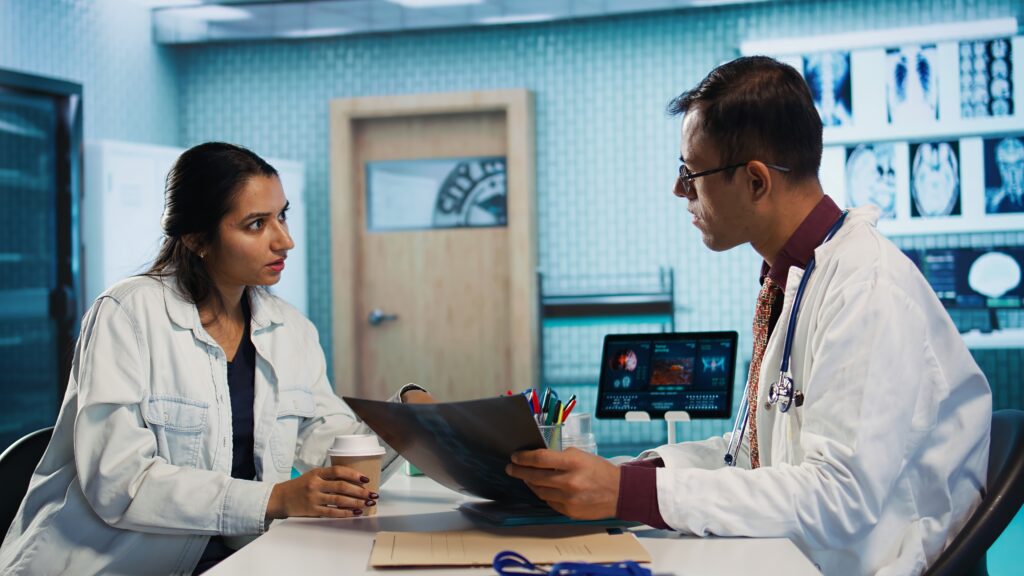
Preventive diagnostic screening helps find health problems early, often before symptoms become serious. In fact, many diseases can be treated more easily when caught early. Because of this, preventive diagnostic screening is an important step for everyone. It can help you stay healthy and avoid serious illness. This blog explains why preventive diagnostic screening matters before symptoms become serious and how it can protect your health.
What Is Preventive Diagnostic Screening?
Preventive diagnostic screening means checking for health problems before you feel sick. For example, doctors use simple tests to look for signs of disease. These tests can spot problems early, even if you feel fine. As a result, you can get treatment sooner and avoid complications. Preventive screening is different from tests done after you have symptoms. Instead, it focuses on keeping you healthy in the first place.
Why Screening Before Symptoms Is Crucial
Many diseases, like diabetes or cancer, do not show signs at first. However, they can cause harm long before you notice anything. Because of this, waiting for symptoms can be risky. Early screening finds problems before they get worse. This means you have more options for treatment. In addition, early action can save lives and lower healthcare costs. According to the CDC, early detection improves survival rates for many conditions.
Common Types of Preventive Diagnostic Tests
There are many types of preventive screening tests. Some are simple blood tests, while others use imaging or physical exams. Here are some common examples:
Doctors may suggest different tests based on your age, family history, or lifestyle. For instance, people with a family history of cancer may need screening earlier.
Benefits of Early Detection
Early detection through preventive screening offers many benefits. Not only does it help you stay healthy, but it also gives you peace of mind. Here are some key benefits:
Because early treatment is often simpler, you may avoid hospital stays or complex procedures.
Who Should Consider Preventive Screening?
Almost everyone can benefit from preventive diagnostic screening. However, some people may need it more than others. For example, you should consider screening if you:
Even if you feel healthy, regular screening can help catch problems early. Your doctor can guide you on which tests are right for you.
How to Prepare for a Screening Test
Preparing for a screening test is usually simple. Still, it is important to follow your doctor’s advice. Here are some general tips:
Because each test is different, always check with your healthcare provider for special instructions.
Addressing Common Myths and Concerns
Some people worry about screening tests. However, most tests are safe and quick. Let’s look at some common myths:
Because of these facts, it is wise to talk to your doctor about any concerns.
Prevention Tips and Healthy Lifestyle Guidance
While screening is important, healthy habits also help prevent disease. For example, you can:
In addition, regular check-ups with your doctor can help you stay on track. Prevention and early detection work best together.
Conclusion: Preventive diagnostic screening is a key part of staying healthy. Because it finds problems early, you have more choices for treatment. Do not wait for symptoms to become serious. Consult a healthcare specialist at Gunna’s Diagnostic Center to learn which preventive screenings are right for you.