
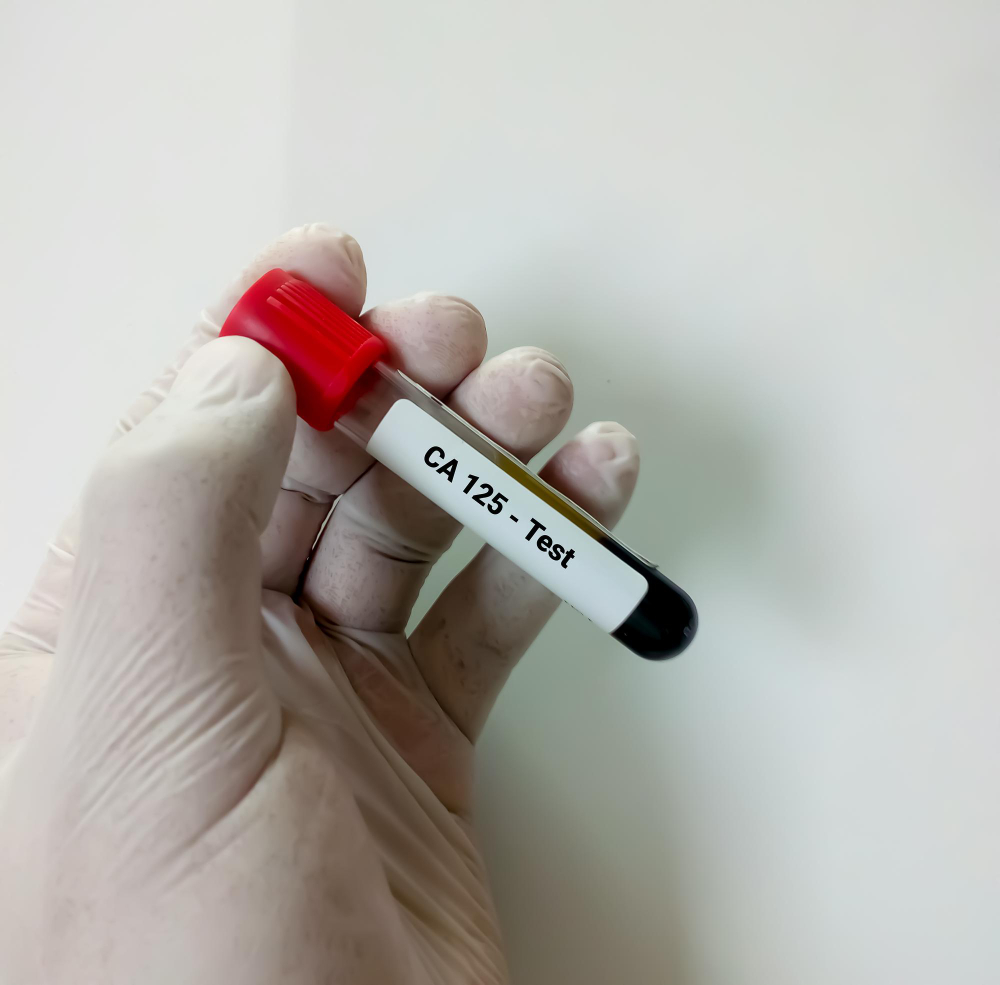
Understanding Ovarian Cancer and Its Impact
Ovarian cancer affects thousands of women each year. Many people worry about this disease, but there is also a lot of confusion. Because of this, it is important to know the facts about ovarian cancer screening myths. Early detection can save lives, yet myths often lead to misunderstanding. In the United States and worldwide, ovarian cancer remains a serious health concern. However, knowing the truth can help you make better choices for your health.
Common Myths About Ovarian Cancer Screening
Many myths surround ovarian cancer screening. Let’s look at the most common misconceptions and the real facts behind them.
Myth 1: There Is a Reliable Screening Test for Ovarian Cancer
Many people believe there is a simple test to find ovarian cancer early. However, this is not true. Currently, there is no reliable screening test for ovarian cancer for women who do not have symptoms or a high risk. Regular blood tests or ultrasounds are not proven to lower the risk of dying from ovarian cancer. The Centers for Disease Control and Prevention (CDC) and the World Health Organization (WHO) both confirm this.
Myth 2: Pap Smears Detect Ovarian Cancer
Some women think a Pap smear can find ovarian cancer. In reality, Pap smears only check for cervical cancer. They do not detect ovarian cancer. Because of this, it is important to know that a normal Pap smear does not mean your ovaries are healthy.
Myth 3: Only Women With a Family History Are at Risk
It is true that family history can increase risk. However, most women who get ovarian cancer do not have a family history of the disease. In fact, every woman is at some risk, especially as she gets older. Therefore, it is important for all women to know the symptoms and talk to their doctor if they have concerns.
Myth 4: Ovarian Cancer Always Shows Clear Symptoms Early
Many believe ovarian cancer causes obvious symptoms right away. But often, early symptoms are mild or easy to miss. For example, bloating, stomach pain, or feeling full quickly can be signs. Because these symptoms are common, they are sometimes ignored. If symptoms last for more than a few weeks, it is wise to see a healthcare provider.
Myth 5: Screening Is Only Needed for Older Women
Although risk increases with age, younger women can also get ovarian cancer. Screening is not recommended for everyone, but all women should know the symptoms. If you have a family history or genetic risk, your doctor may suggest special tests.
Facts About Ovarian Cancer Screening
Now that we have discussed ovarian cancer screening myths, let’s look at the facts. At this time, there is no standard screening test for ovarian cancer for women at average risk. Doctors may use the following tests if you have symptoms or a high risk:
Because these tests are not perfect, they are not used for routine screening in women without symptoms. The American Cancer Society and CDC both recommend talking to your doctor about your personal risk.
Recognizing Symptoms and When to See a Doctor
Although there is no reliable screening, knowing the symptoms can help. Watch for these signs:
If these symptoms last more than two weeks, see your healthcare provider. Early action can make a difference. Even if you have no family history, it is important to pay attention to your body.
Prevention Tips and Healthy Lifestyle Advice
While you cannot prevent all cases of ovarian cancer, some steps may help lower your risk:
Additionally, regular check-ups can help you stay informed about your health.
Summary: Know the Facts, Not the Myths
In summary, many ovarian cancer screening myths can lead to confusion. There is no simple screening test for ovarian cancer. Pap smears do not detect it, and anyone can be at risk. Knowing the symptoms and talking to your doctor are the best ways to protect your health. For more information, visit trusted sources like the CDC or WHO.
Consult a healthcare specialist at Gunna’s Diagnostic Center for personalized advice about ovarian cancer screening.