
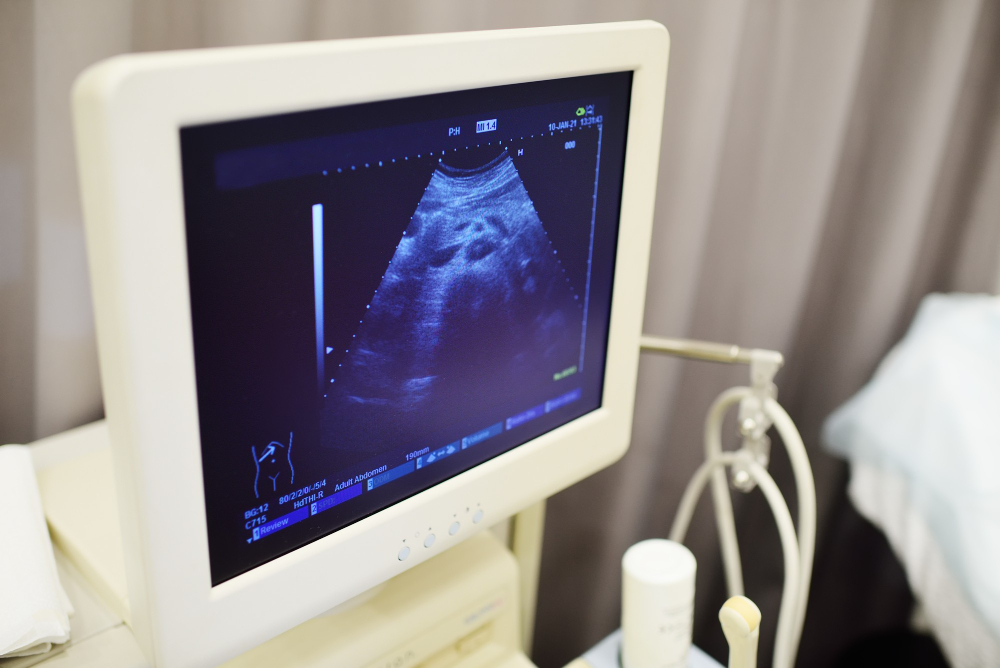
During pregnancy, many parents hear about the anomaly scan. This test is also called a mid-pregnancy ultrasound, fetal anomaly scan, or second trimester scan. It helps check your baby’s growth and development. In this blog, you will learn what an anomaly scan is, why it matters, and what to expect during the process. We will also answer common questions and share helpful tips for expectant parents.
What Is an Anomaly Scan?
An anomaly scan is a special ultrasound done during pregnancy. It looks at your baby’s body and organs in detail. Usually, this scan happens between 18 and 22 weeks of pregnancy. Doctors use it to check for any physical problems or birth defects. For example, they look at the baby’s heart, brain, spine, and other organs. The scan is safe for both mother and baby.
Why Is an Anomaly Scan Important?
First, the anomaly scan helps doctors spot any health concerns early. Early detection means better planning and care. Also, the scan checks if your baby is growing well. According to the World Health Organization (WHO), early checks can improve outcomes for both mother and child. In addition, the scan can give parents peace of mind by showing that the baby is developing as expected.
When Is the Anomaly Scan Performed?
Most often, the anomaly scan is done between 18 and 22 weeks of pregnancy. This is the middle part of pregnancy, also called the second trimester. At this time, your baby’s organs are developed enough to be seen clearly. In many cities, hospitals and clinics offer this scan as part of routine care. However, your doctor will tell you the best time for your scan based on your health needs.
How Is the Anomaly Scan Done?
During the scan, a trained technician or doctor uses a small device called a transducer. This device moves over your belly and sends out sound waves. These waves create pictures of your baby on a screen. The scan is painless and usually takes about 30 to 45 minutes. You do not need to stay overnight. In most cases, you can go home right after the scan.
What Can You Expect During the Scan?
Before the scan, you may be asked to drink water. A full bladder helps get clearer pictures. During the scan, you will lie on a bed. A gel is spread on your belly to help the device move smoothly. The technician will gently move the transducer over your skin. You may see your baby on the screen. Sometimes, the technician may ask you to change position for better images.
What Do the Results Mean?
After the scan, your doctor will review the images. If everything looks normal, you can feel reassured. Sometimes, the scan may show a possible concern. This does not always mean there is a problem. Often, doctors will suggest more tests or another scan to check further. According to the Centers for Disease Control and Prevention (CDC), most babies are healthy and have no major issues found during the scan.
Frequently Asked Questions About Anomaly Scans
Tips for Expectant Parents
Prevention and Next Steps
While you cannot prevent all birth defects, regular check-ups and scans help catch problems early. If your scan shows a concern, follow your doctor’s advice. They may suggest further tests or refer you to a specialist. In addition, attending all prenatal visits is important to ensure the best care for you and your baby.
Consult your healthcare provider at Gunna’s Diagnostic Center for personalized advice about anomaly scans.